Precision in Milligrams – Electronic Analytical Balance for Flawless Weighing
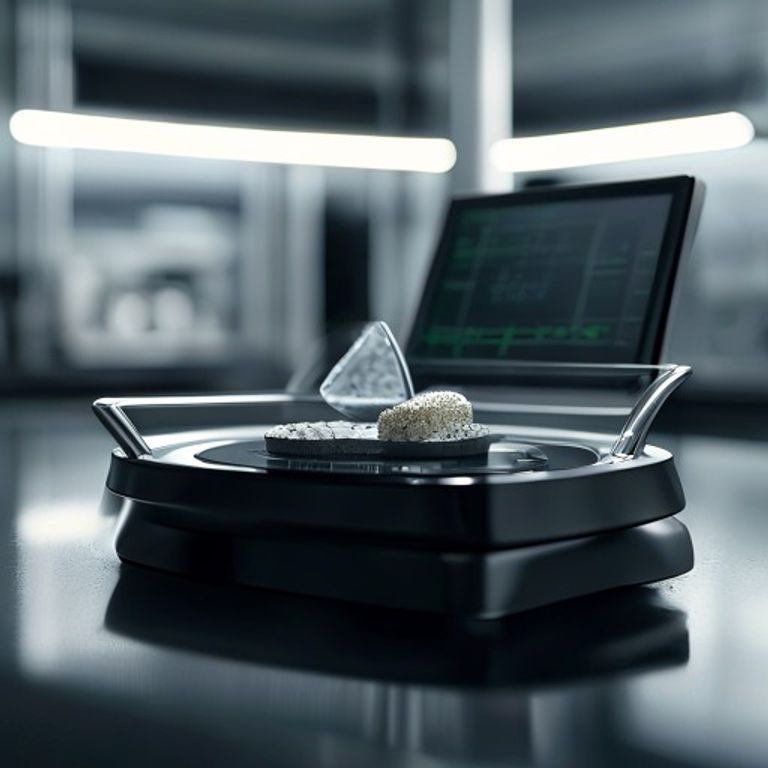
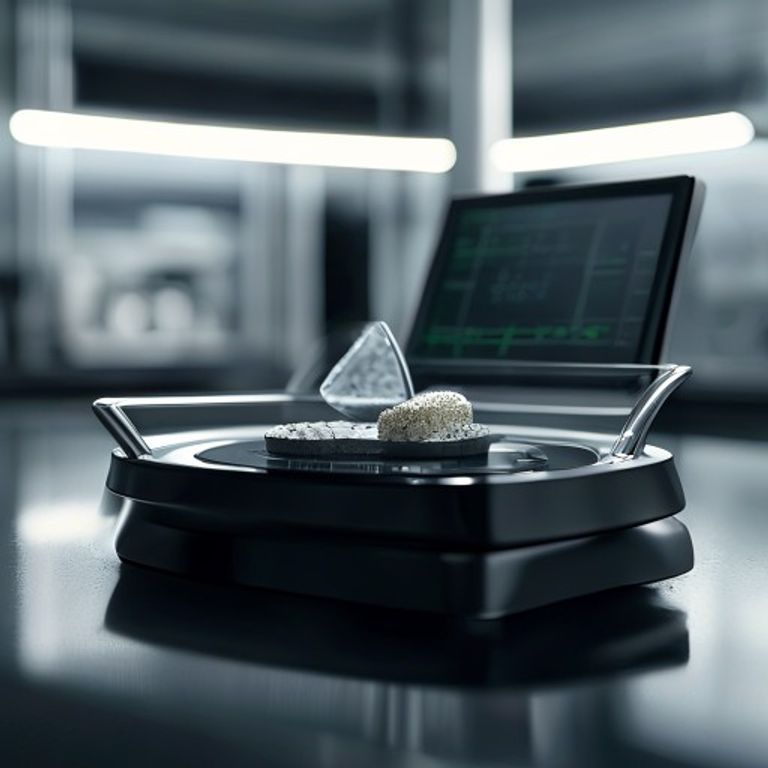
In a pharmaceutical R&D laboratory, a weighing deviation of a raw material can cause an entire batch of drugs to be scrapped; on the gold and jewelry appraisal table, an error of 0.1 milligrams means the difference between real gold and gold plating. These moments concerning quality and trust are inseparable from an electronic analytical balance.
The electronic analytical balance is a precision weighing instrument based on an electromagnetic force balance sensor. Its core readability can reach 0.1 mg (0.0001 g), which is one ten-thousandth of a gram. When an object is placed on the pan, the sensor senses the change in weight, balances it with electromagnetic force, and the microprocessor converts the signal into an accurate reading. The entire process takes only a few seconds, much faster than traditional mechanical balances.
It is equipped with an automatic calibration system and dynamic temperature compensation function, which can automatically cancel errors caused by ambient temperature changes; the transparent glass draft shield isolates airflow interference, ensuring stable and reliable weighing. The LCD display is clear and easy to read, and the RS232 communication interface can connect to a printer or computer for data export and traceability.
Today, electronic analytical balances are widely used in fields such as chemical analysis, pharmaceutical R&D, materials science, and jewelry appraisal. From the milligram-accurate active ingredients in new drug development to the minuscule sample weighing in nanomaterial research, it is an indispensable "quality gatekeeper".
In 2025, the global laboratory electronic analytical balance market size has reached approximately 562 million USD, and it is expected to approach 748 million USD by 2032. Behind this is the increasingly stringent pursuit of precision and quality across various industries. The electronic analytical balance — with its pinpoint accuracy, safeguards the rigor of scientific research and the quality of products.